How Remote Work Supports a Greener Lifestyle
For community volunteers fighting plastic pollution and neighborhood organizers who also log in from the kitchen table, remote work can feel like a quiet win for the planet. The tension is real: fewer commutes hint at progress, yet home energy consumption and new daily routines can quietly reshape a personal carbon footprint in ways that are easy to miss. The remote work environmental impact isn’t automatic or evenly shared, which can make local sustainability conversations feel vague or stalled. With a clearer view of what changes at home and what changes beyond it, sustainable lifestyle changes become practical and community environmental awareness becomes contagious.
Understanding Where Remote Work Really Cuts Emissions
Working from home changes your carbon footprint in three main places: the commute you skip, the energy you use at home, and the choices your workplace still makes. The goal is to spot which changes are truly lowering emissions and which ones just move energy use from an office to your living room.
This matters because clear math turns good intentions into results you can feel proud of. When you know what drives your impact, you can pick the easiest wins, like smarter heating or fewer car trips, and share practical tips with neighbors. Claims like fully-remote workers could have a carbon footprint that’s 54% lower are motivating, but your real savings depend on how you power your day.
Picture a volunteer who stops driving 20 miles to meetings, but runs space heaters all afternoon and orders extra deliveries. The commute drop helps, yet the home setup can quietly cancel part of the gain. With that clarity, learning paths that lead to remote-capable roles can become a climate-smart career move.
Choose a Remote-Friendly Upskilling Path That Cuts Commutes
When you see how much commuting drives emissions, it’s empowering to realize that career growth can also be a climate-friendly choice. Earning an online degree builds the kind of skills that translate well to remote work, communication, organization, and the confidence to use digital tools, while letting you learn from home instead of traveling to and from campus. That means fewer commute-related emissions, and it can also reduce the energy tied to maintaining full-time in-person classroom spaces. If you’re already a nurse, you can enhance your career and improve patient outcomes by earning an online RN to BSN degree, including options like BSN completion pathways. Once your work and learning are more flexible, the next step is making your everyday home-office routine a little lighter on the planet.
Try These Home-Office Habits That Lower Your Impact
Working from home already gives you a powerful head start, especially if you’ve been upskilling into a remote-capable path so you can leave the commute behind more often. These habits help you turn that “head start” into daily, visible sustainability wins.
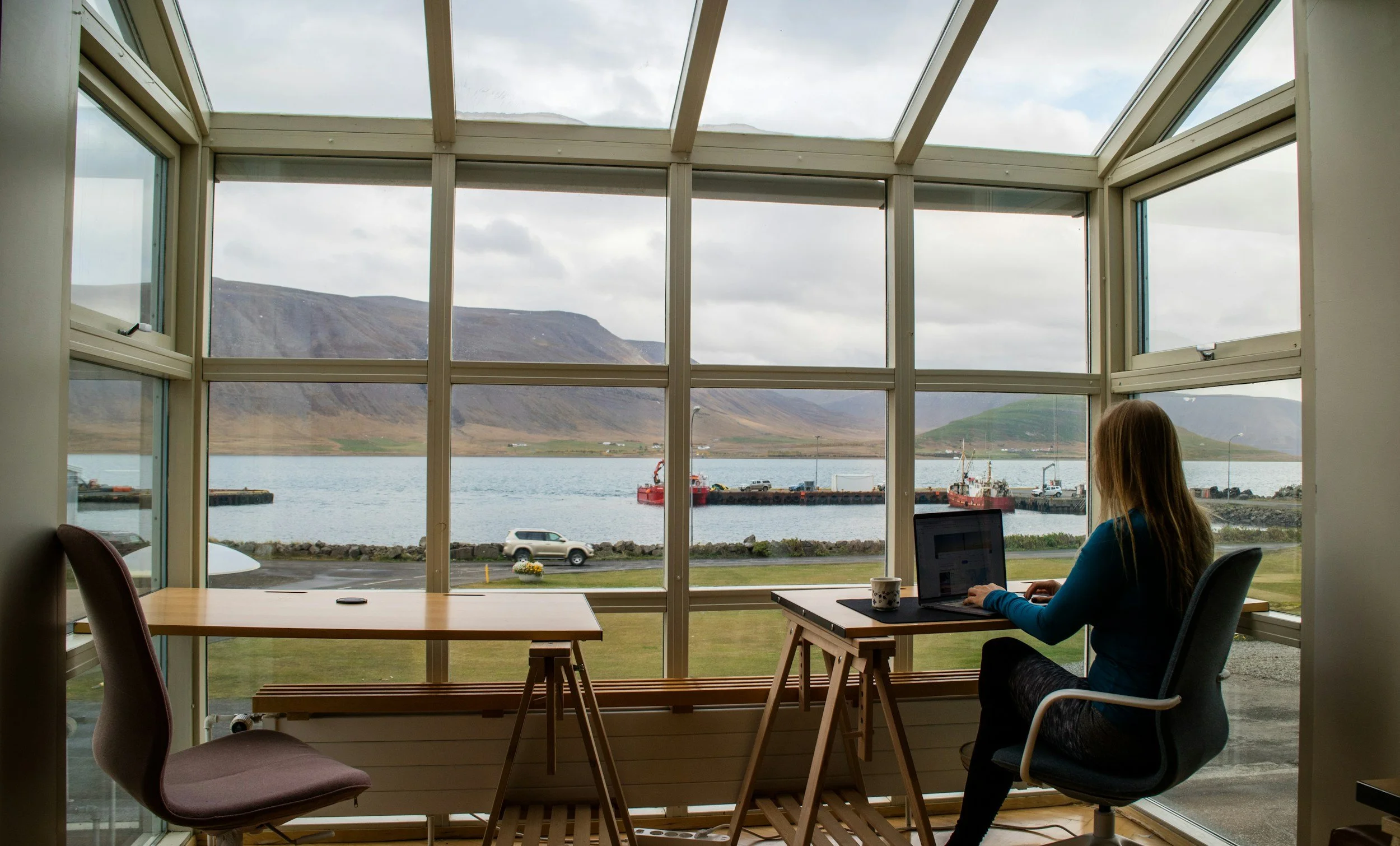
Set up a “low-energy” workspace on purpose: Park your desk near natural light, plug your gear into a single power strip, and shut it off at day’s end to stop sneaky standby power. If you can, choose a smaller room you can heat or cool more efficiently. The goal is simple: make the green choice the easy default every time you sit down.
Work in energy-smart rhythms, not all-day “on” mode: Batch video calls into a few blocks instead of scattering them across the day, so you’re not constantly lighting, heating/cooling, and running equipment at full tilt. Try a 60–90 minute focus block, then a 10-minute break where you step away and let your screen sleep. Small patterns add up when they happen five days a week.
Cut paper and ink with a “digital-first” rule: Unsubscribe from printing by default, save PDFs to a clearly named folder and use simple digital notes for meetings. If you truly need hard copies, print double-sided and keep a one-sided “scratch paper” tray for drafts and lists. This keeps waste reduction practical instead of perfectionist.
Create a mini recycling + reuse station right by your desk: Place a small bin for paper/cardboard, a container for clean packaging, and a jar for “odd items” like dead pens, batteries, or tangled cords you’ll drop at a proper collection point later. Add one sticky note: “Rinse, then recycle.” When sorting is convenient, you’re far more likely to do it consistently.
Choose greener tech upgrades only when you actually need them: Keep devices longer by cleaning vents, updating software, and replacing a battery instead of the whole unit when possible. When you do replace something, pick efficient models, Colorado State University Extension notes that when replacing appliances, select those with the Energy Star label. That same mindset applies to monitors, printers, and routers: efficiency is a feature.
Make “no-car errands” your default on remote days: Your biggest win may be the trips you don’t take. Transportation is a major slice of emissions, and Greenly reports that transportation contributes 28% of total U.S. greenhouse gas emissions, so bundling errands matters. Choose one weekly errand run on foot, by bike, or via transit, or coordinate a shared pickup with a neighbor.
Turn your lunch break into a low-waste habit: Keep a reusable bottle, mug, and a “desk drawer utensil kit” so takeout doesn’t automatically mean disposable clutter. Plan two simple pantry lunches you can rotate (think leftovers + fruit, or a quick bean-and-grain bowl). It’s not just waste reduction, it’s building a routine you can stick with when your schedule gets busy.
Remote-Work Sustainability Questions, Answered
Q: What if my home energy use cancels out the commute savings?A: It can happen if you heat or cool the whole home all day, so focus on “right-sizing” your comfort. Close doors, dress for the season, and condition only the space you’re in. A simple next step is to track one week of energy use and adjust one habit.
Q: How much do small waste habits really matter, like recycling one can?A: They matter because they repeat hundreds of times a year. Recycling only one aluminum can saves enough energy to power a television for 3 hours, which makes “one small thing” feel a lot more real. Start with the easiest win: rinse and recycle what you already use.
Q: Can remote work still be sustainable if I rely on deliveries?A: Yes, if you shop with intention. Combine orders, choose slower shipping when possible, and keep a “need list” so you buy fewer one-off items. Reuse boxes and mailers before recycling them.
Q: Should I upgrade to new devices for better efficiency?A: Not automatically. The greenest device is often the one you keep running longer with maintenance, repairs, and battery replacements. Upgrade only when something truly fails or no longer meets your work needs.
Q: What’s a simple way to stay productive without staying “always on”?A: Build clear start and stop cues. Set a timer for focused work, let your screen sleep during breaks, and shut everything down at a consistent time. Productivity improves when your energy use is deliberate.
Turn Remote Work Into a Greener Routine That Lasts
Working from home can still feel like a climate compromise when convenience bumps up against real-world impacts. The way through is a remote work green lifestyle built on mindful choices and sustainable habit formation, not perfection or guilt. When that mindset sticks, motivating eco-friendly remote work becomes simpler, and the long-term environmental benefits start to show up in everyday routines. Small habits, repeated at home, create big climate gains over time.
Written By Tina Martin